

Best Rings That Don’t Spin - Fits and Shapes That Stay Centered
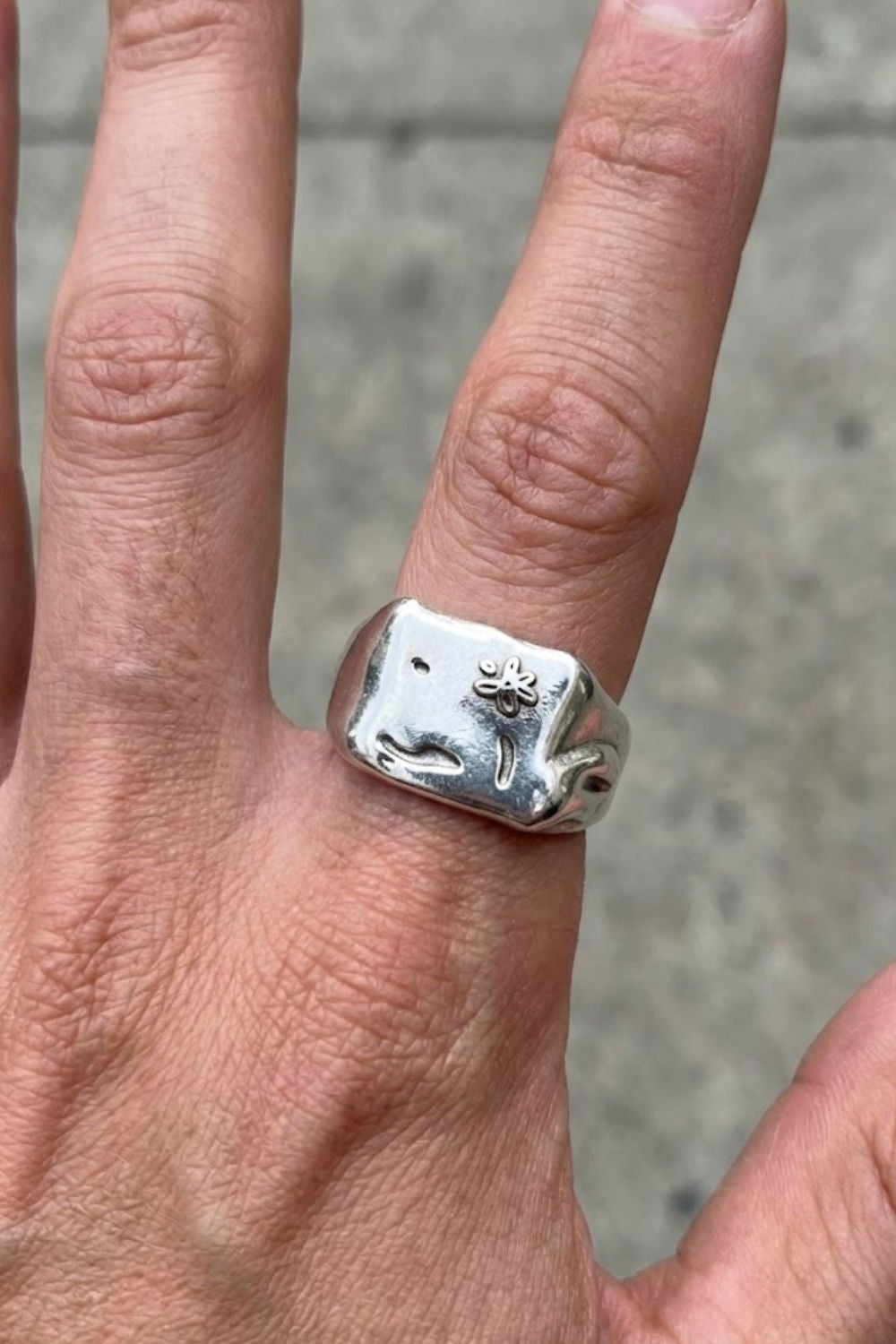
Table of Contents
- Best Rings That Don’t Spin - Fits and Shapes That Stay Centered
- Quick Answer
- Why Rings Spin in the First Place
- The Best Option: Know Your Exact Ring Size First
- Best Ring Fits That Stay Centered Better
- Best Ring Shapes That Don’t Twist as Easily
- Why Signet Rings Spin More Often
- Does Ring Width Help or Hurt?
- Daily Life Factors That Make a Ring Shift
- When You Should Not Just Size Down
- Good Ring Styles for a More Stable Fit
- The Smartest Way to Stop Ring Spinning
- FAQ
Best Rings That Don’t Spin - Fits and Shapes That Stay Centered
A ring can look perfect in a product photo and still annoy you the second you start wearing it. It turns to the side, the top slides underneath your finger, and the part that is supposed to face forward never stays where it should. If that sounds familiar, you are not imagining it - and you are definitely not the only one dealing with it.
A lot of men search for things like rings that don’t spin, how to keep a ring centered, best ring shape for daily wear, or why does my ring keep turning. The frustration is simple: the ring may look good, but if it never sits right, you stop enjoying it. And in many cases, you stop wearing it altogether.
The good news is that ring spinning usually comes down to a few clear causes. Most of the time, it is not random. It is a fit issue, a shape issue, a balance issue, or a combination of those three. That also means there are better ring styles to choose if you want something that stays centered and feels stable throughout the day.
In this guide, we break down which fits and shapes usually stay in place better, why some designs rotate more than others, and what actually matters most if you want a ring that feels secure. And we will be direct about one thing upfront: the best solution is usually not a clever trick. It is getting your exact ring size right from the start.
Quick Answer
Quick answer: The best rings that do not spin are usually properly sized, balanced in weight, and moderate in shape. Rings with a comfortable but secure fit, a less top-heavy design, and a well-proportioned band tend to stay centered better than oversized signet styles or rings that are even slightly too loose.
Reality check: If your ring keeps spinning, the smartest first move is not guessing, adjusting, or hoping it will settle. It is making sure you actually know your correct size.
Why Rings Spin in the First Place
A ring spins when the base of your finger does not hold it firmly enough to keep the weight balanced. That sounds technical, but the idea is simple. If the ring has room to move, it will move. And if the top of the ring is heavier than the bottom, gravity will keep pulling that heavier part downward.
That is why spinning is so common with decorative rings, signet shapes, and designs that have a clear “front.” The ring is not only sitting on your finger - it is also constantly responding to motion, temperature, moisture, and weight distribution. If the fit is even a little off, the ring will start turning.
Some men assume this means the ring is poor quality. Usually, that is not the real issue. A ring can be well made and still spin if the sizing is wrong or the shape is not a good match for the finger it is worn on.
This is also why two men can wear the exact same ring and have totally different experiences. One says it feels stable all day. The other says it never stays centered. Same ring, different finger shape, different fit, different result.

The Best Option: Know Your Exact Ring Size First
If there is one point that matters more than any other in this whole article, it is this: the best way to get a ring that does not spin is to know your exact ring size first. Not your guessed size. Not the size you think you are because another ring sort of fits. Your real size.
Many spinning problems start before the ring even arrives. People guess, choose the nearest number, copy the size of a different finger, or buy based on a ring that already fits badly. Then the ring arrives, looks great, but turns all day long because it was slightly too big from the beginning.
That is why the most useful step is still the simplest one: measure properly before buying. If you have not done that yet, read How to Measure Your Ring Size at Home. It is the best starting point because it solves the main cause before it becomes a daily annoyance.
This matters even more with rings that have a visible top or a directional face. A half-size difference can be the line between “sits perfectly” and “keeps flipping.” That is why sizing is not a boring detail. It is the foundation.
If you only remember one thing from this blog, let it be this: the most stable ring is usually not a special shape. It is the right size on the right finger.
Best Ring Fits That Stay Centered Better
Once the size is correct, fit becomes the next factor. Not every ring fit feels the same in daily wear. Some feel secure immediately, while others leave a little too much room for movement.
In general, the rings that stay centered best have a fit that feels snug but comfortable. Not tight enough to feel restrictive, but secure enough that the ring does not slide freely around the base of the finger.
A good stable fit usually looks like this:
- It slides over the knuckle with slight resistance.
- It sits firmly at the base without pressure.
- It does not rotate every time you move your hand.
- It still feels wearable after your fingers warm up during the day.
That last point matters more than people think. Fingers change slightly through the day. Heat, walking, hydration, cold weather, workouts, and even sleep can affect how a ring feels. That is why you do not want a fit that is only “perfect” for five minutes in one temperature.
A ring that stays centered well is not just tight. It is correctly matched to your normal finger shape and daily conditions.
Best Ring Shapes That Don’t Twist as Easily
Once fit is sorted, shape becomes the next big factor. Some ring shapes are naturally easier to keep centered than others.
The most stable shapes are usually the ones with a more even distribution of weight. That means the ring is not dramatically heavier at the top than at the bottom. Cleaner silhouettes often help because they spread the visual presence more evenly across the whole ring.
The ring shapes that usually behave better are:
- Balanced bands: simple, even shapes with similar weight all around.
- Soft signet-inspired rings: enough shape to feel interesting, but not extremely top-heavy.
- Moderate-width rings: not too slim, not too massive, and proportionate to the finger.
- Lower-profile tops: shapes that do not rise too far or place too much material on the face.
In contrast, very bulky tops, tall settings, oversized faces, or rings with a sharp heavy front are much more likely to turn. They can still look great, but they demand a more exact fit.
That is also why a ring can look minimal and still perform better. Minimal does not only affect style. It often improves comfort and stability too.
Why Signet Rings Spin More Often
Signet rings are probably the biggest spinning offenders, and the reason is straightforward: they are usually heavier on top. The face is meant to sit forward and be seen, but that same front surface adds weight where the ring is most likely to tip.
That does not mean signet rings are a bad choice. It just means they need more respect in sizing. If a signet ring is even slightly too loose, the top will keep searching for the lowest point. That is why some men love the look of signet rings but end up frustrated by the wear experience.
A softer, less oversized signet shape usually works better than a dramatic one. The more controlled the proportions, the easier it is to keep that ring centered without constant adjustment.
If you already have a ring that keeps turning, this guide helps with the practical fixes: How to Stop a Ring From Spinning on Your Finger. It is useful if the ring is already on your hand and you need solutions now, but the long-term answer is still correct sizing first.
Does Ring Width Help or Hurt?
Width can help, but only when it is proportionate. A slightly wider ring can sometimes feel more stable because it has more contact with the finger. That extra contact can reduce movement if the size is correct.
But width is not automatically the solution. A ring that is too wide for your hand or too big in size can still rotate, and sometimes it becomes even more noticeable because there is more ring to feel moving around.
The sweet spot is usually a width that matches your finger shape and the look you want. Too slim and the ring may feel less anchored. Too wide and it can feel bulky or awkward. Stable usually means balanced, not extreme.
If you are unsure what width makes sense for your hand, read Best Ring Widths for Men With Bigger Hands. Even if your hands are not especially large, it is useful for understanding how width changes comfort, look, and daily wear.
Daily Life Factors That Make a Ring Shift
Even a well-fitting ring can feel slightly different throughout the day. That is normal. Your fingers are not static, and rings are affected by more than just size.
The biggest everyday factors are temperature, hydration, and activity. Cold hands often make rings feel looser. Warm weather can make them feel tighter. After workouts or long walks, fingers may swell a little. On low-activity days, a ring may suddenly feel more mobile again.
This is one reason people get confused when evaluating fit. The ring may feel secure in the evening and loose in the morning. Or perfect indoors and annoying outside in winter. That does not always mean the size is wrong - but it does mean your ring needs enough stability to handle real life, not just one moment.
If a ring only stays centered in ideal conditions, it is not actually a good daily fit. The best daily rings are the ones that remain comfortable and mostly stable through normal fluctuations.
When You Should Not Just Size Down
A lot of people assume the answer to spinning is simply “go smaller.” Sometimes that is true. But not always.
If your knuckle is significantly wider than the base of your finger, going down too much can create a different problem. The ring may stay centered better once it is on, but getting it over the knuckle becomes uncomfortable or unrealistic. In that case, the right solution may be more nuanced than just choosing the next smaller size.
The same goes for wider rings or rigid shapes. Some designs naturally feel tighter because they cover more of the finger, so forcing a smaller size can make the ring unpleasant to wear even if it spins less.
This is why getting your real size properly matters more than improvising later. Guesswork tends to create a second problem while solving the first one.
Good Ring Styles for a More Stable Fit
If your priority is a ring that feels centered and easy to wear, the safest designs are usually the ones that combine clean styling with balanced proportions. Rings with calmer surfaces and controlled top shapes often outperform very dramatic designs in daily life.
A piece like the Flower Ring works in that direction because it has presence without becoming too hard or too bulky. It gives you visual character, but the shape still feels wearable and controlled. That balance matters when you want a ring that looks intentional and behaves well through the day.
In general, the strongest picks for less spinning are:
- Moderate signet-inspired rings instead of oversized signet blocks.
- Balanced everyday bands with even weight distribution.
- Cleaner tops and lower profiles instead of tall or exaggerated fronts.
- Correctly fitted widths that suit the hand rather than chasing extremes.
A ring does not need to be boring to stay centered better. It just needs to be well judged. That is the real difference between a ring that looks good online and a ring that still feels good after a full day of wearing it.
If you want to build around a stable everyday ring without making the whole look too busy, How to Layer Jewelry for Men is the right next read.
The Smartest Way to Stop Ring Spinning
Short version: The rings that stay centered best are usually the right size, balanced in shape, and moderate in profile. If a ring keeps spinning, do not start by blaming the design. Start by checking your size properly. Once that is right, cleaner shapes, controlled signet styles, and proportionate widths usually give the best day-to-day stability.
Most ring-spinning problems are not mysterious. They are usually a sizing issue first and a design issue second. Fix the first part properly, and the second becomes much easier to manage.
FAQ
What kind of ring does not spin as much?
Rings that are correctly sized, balanced in weight, and not too top-heavy usually spin less. Simple bands and softer signet-inspired shapes tend to stay centered better than oversized front-heavy designs.
Why does my ring keep turning on my finger?
Usually because the fit is too loose at the base of your finger, or because the ring is heavier on top than on the bottom. Many spinning issues come from size and balance working against each other.
Will a wider ring stay in place better?
Sometimes, yes. A slightly wider ring can feel more stable because it has more contact with the finger. But if the size is wrong or the ring is too bulky, width alone will not solve spinning.
Do signet rings spin more than normal rings?
Yes, often they do. Signet rings usually have more weight on the face, so if the fit is even a little too loose, the front is more likely to rotate downward.
What is the best way to stop a ring from spinning?
The best long-term solution is to know your exact ring size and choose a balanced design. Temporary fixes can help, but the right fit is still the most important answer.
Should I size down if my ring spins?
Not always. If your knuckle is wider than the base of your finger, sizing down too much can make the ring uncomfortable to put on or remove. It is better to measure carefully first before guessing.